Supreme Court Decision on Immigration Policy Sparks Legal and Political Debate
High Court ruling on federal district court authority creates new precedent for challenging executive orders
Major Supreme Court Ruling Reshapes Immigration Legal Landscape
Note:Video at the end of article.
In a significant legal development that has far-reaching implications for immigration policy and federal court jurisdiction, the United States Supreme Court issued a 6-3 decision that fundamentally alters how federal policies can be challenged in the court system. The ruling, which came down along conservative-liberal lines, addresses the scope of authority that federal district judges possess when issuing nationwide injunctions against federal executive orders.
The decision centers on a contentious immigration policy that has sparked intense debate among legal scholars, state officials, and immigrant advocacy groups. At the heart of the matter is an executive order that modifies the interpretation of birthright citizenship provisions, specifically targeting children born to undocumented immigrants on American soil.
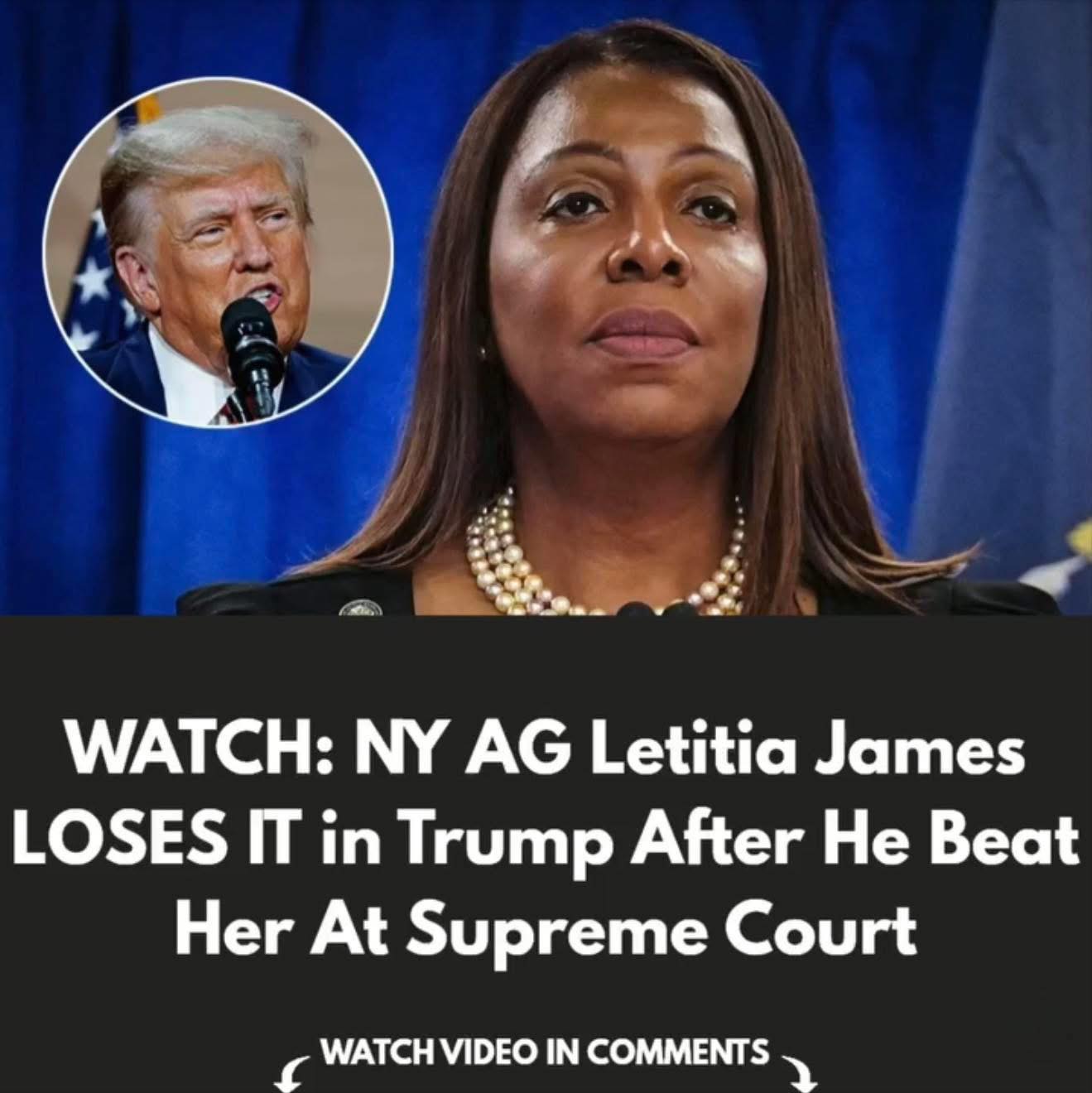
New York Attorney General Letitia James, who has been a prominent figure in challenging federal immigration policies through the courts, expressed strong disagreement with the Supreme Court’s decision. Her office has been at the forefront of legal challenges to various federal immigration initiatives, representing what many see as a state-level resistance to federal policy changes.
Understanding the Legal Framework
The Supreme Court’s ruling specifically addresses the procedural question of whether federal district judges have the authority to issue nationwide injunctions that would prevent federal policies from taking effect across the entire country. This legal mechanism has been a powerful tool used by various parties to challenge federal executive orders, allowing a single judge to effectively halt the implementation of national policies pending further legal review.
The conservative majority on the Court determined that such broad injunctive authority exceeds the proper scope of federal district court jurisdiction. This decision represents a significant shift in how federal policies can be challenged, potentially requiring challengers to pursue different legal strategies or seek relief through alternative judicial mechanisms.
Legal experts across the political spectrum have noted that this ruling could have implications far beyond immigration policy. The decision may affect how environmental regulations, healthcare policies, financial regulations, and other federal initiatives are challenged in court, potentially requiring more complex litigation strategies and making it more difficult to obtain immediate nationwide relief from controversial policies.
The Immigration Policy at the Center of the Debate
The specific immigration policy that triggered this legal challenge involves the interpretation of the Fourteenth Amendment’s birthright citizenship provisions. The federal executive order in question modifies how citizenship is conferred upon children born in the United States, specifically targeting those born to parents who are unlawfully present in the country.
Under the new interpretation, children born after February 19 to parents who are both unlawfully present in the United States, or to one undocumented parent and another who is not a U.S. citizen, would not automatically receive American citizenship under current federal policy. This represents a significant departure from the traditional understanding of birthright citizenship that has been in place for over a century.
Federal administration officials argue that previous interpretations of the Fourteenth Amendment have been overly broad and that the original intent of the constitutional provision was never to automatically confer citizenship on children of non-citizens. This constitutional interpretation has been strongly disputed by legal scholars, immigrant rights advocates, and various state officials who maintain that birthright citizenship has been clearly established through both constitutional text and Supreme Court precedent.
State-Level Opposition and Legal Challenges
Attorney General James has been among the most vocal critics of the new immigration policy, arguing that it violates fundamental constitutional principles and established legal precedent. Her office initiated legal proceedings as part of a broader coalition of state attorneys general who sought to challenge the policy through the federal court system.
“Every child born on U.S. soil is a citizen of this country, regardless of which state they are born in,” James stated in her official response to the Supreme Court decision. “This has been the established law for more than a century. Today’s ruling represents a disappointing setback for families facing uncertainty and for the constitutional rights that courts are meant to protect.”
The legal challenge, known as Trump v. CASA, brought together multiple state attorneys general in an effort to obtain a nationwide injunction that would prevent the immigration policy from taking effect while constitutional questions were resolved through the court system. The case represents one of several high-profile instances where state governments have sought to use federal courts to challenge federal executive actions.
James emphasized that the ruling creates particular concerns for New York’s Child Health Plus program, which provides healthcare services to children regardless of their immigration status. With changes to birthright citizenship policies, access to federal funding for such programs could be jeopardized, potentially affecting thousands of families who rely on these services.
Broader Implications for Federal Policy and Judicial Authority
Legal scholars have noted that the Supreme Court’s decision extends beyond immigration policy to fundamental questions about the balance of power between federal executive authority and judicial oversight. The ruling may make it significantly more difficult for opponents of federal policies to obtain immediate relief through the court system.
Professor Michael Harrison of Georgetown University Law Center observed that “this decision represents a substantial shift in how federal policies can be challenged. It may require parties seeking to contest executive orders to pursue litigation in multiple jurisdictions simultaneously, making legal challenges more complex and potentially less effective.”
The decision also raises questions about forum shopping, where plaintiffs seek favorable jurisdictions for filing their legal challenges. By limiting the authority of individual federal district judges to issue nationwide injunctions, the Supreme Court has effectively reduced the incentive for such strategic venue selection.