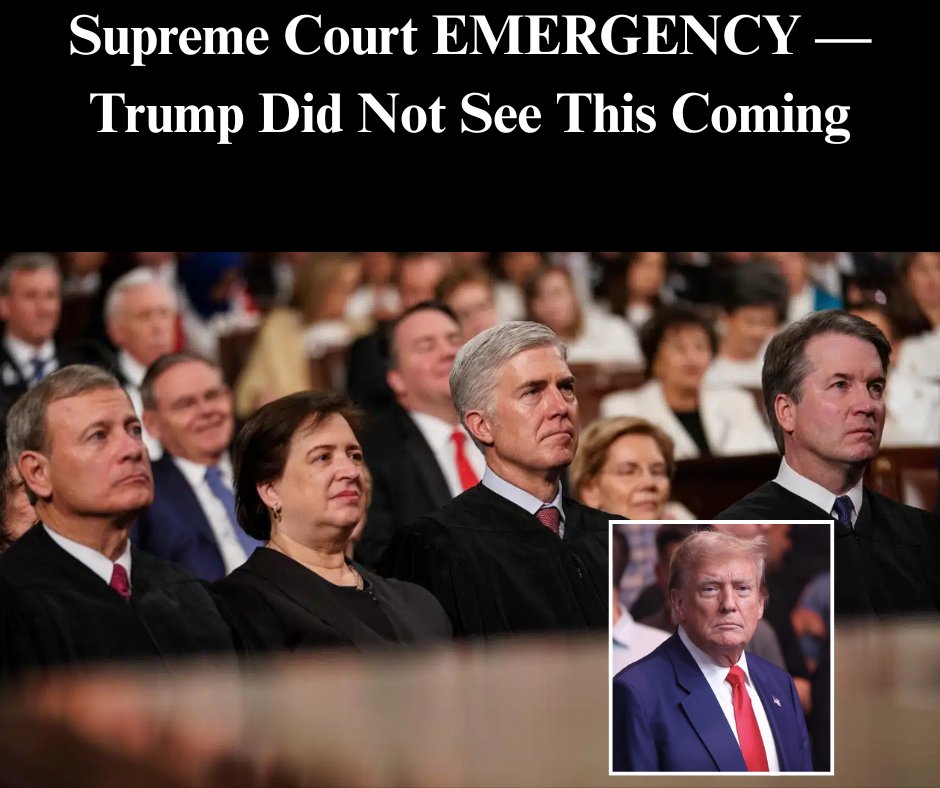
In a case that critics claim could jeopardize the unemployment benefits of over a million US workers, the Supreme Court will hear arguments on Monday regarding whether states can mandate that religiously affiliated organizations, such as Catholic Charities, pay unemployment taxes.
The Catholic Charities Bureau and four affiliate organizations claim that Wisconsin violated the First Amendment’s religious protections by refusing exemptions from the taxes in the first appeal centered on religion that the conservative 6-3 Supreme Court has heard in almost two years.
Recently, conservative justices have weakened the distinction between church and state. They have done so because some government initiatives aimed at upholding the Establishment Clause of the First Amendment have been discriminatory against religion and overbroad.
The court has broadened the scope of situations in which taxpayer funds can be used to support religious schools. For example, it decided that Boston could not stop a Christian organization from flying a flag at City Hall and permitted a public high school football coach to pray on the 50-yard line.
The Supreme Court was inundated with relief prayers from religiously minded organizations.
A ruling, which is anticipated by the end of June, might have far-reaching effects if it covers hospitals and other organizations with religious affiliations. It might also make it more difficult for the government to investigate whether organizations are truly religious or merely making religious claims to evade taxes.
“Taking religious organizations at their word on the religiousness of their activities makes it hard for the government to challenge if those activities are actually religious,” said Luís Calderón Gómez, a professor at the Benjamin N. Cardozo School of Law at Yeshiva University who specializes in tax law.
“You open the doors for abuse when you just look at whether there’s a sincerely held belief rather than looking at the activity” the business is engaged in, Calderón Gómez added.
Most taxes are already waived for churches. The court must decide whether an organization like Catholic Charities, which is connected to the diocese of the Roman Catholic Church but does not engage in proselytizing, is covered by that exemption.
As the “social ministry arm of the Diocese of Superior” in Wisconsin, the Catholic Charities Bureau claims to engage in a “wide variety of ministries for the elderly, the disabled, the poor,” among other things.
“Wisconsin has denied Catholic Charities a religious exemption that the state freely extends to other religious organizations based on the absurd view that Catholic Charities’ aid to the needy isn’t religious at all,” the group’s attorneys told the Supreme Court.
The Becket Fund for Religious Liberty represents Catholic Charities and the other groups opposing the state.
The organization stated that a church-affiliated organization, not the government, would administer unemployment insurance for its workers. Opponents of the group claim that workers in other industries might not be as fortunate.
Similar to Wisconsin’s, 47 states and the federal government exempt religious organizations from unemployment taxes, indicating that the court’s ruling may have broad ramifications.
The Freedom from Religion Foundation filed a brief in support of the state, claiming that six multibillion-dollar Catholic-affiliated healthcare systems employ about 787,000 people. The state-supporting Service Employees International Union estimates that religiously affiliated organizations employ over a million workers.
Wisconsin informed the Supreme Court that since 1971, Catholic Charities has been a complaint-free participant in its unemployment insurance program.
“If the First Amendment did not allow religious accommodations to be tailored to particular religious groups on a nondenominational basis, legislatures (and courts) would have to choose between exempting all religious groups or none at all,” Wisconsin officials told the high court.
Given that the conservative majority on the Supreme Court has frequently sided with religious organizations in recent years, Catholic Charities likely has the advantage going into the hearing.