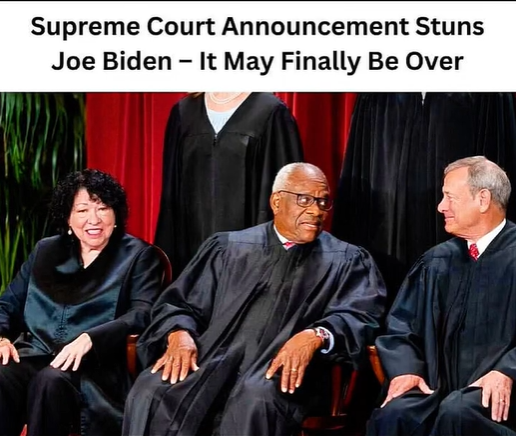
In a significant decision, the U.S. Supreme Court agreed to reinstate a federal anti-money laundering law at the request of the federal government, while a legal challenge to the statute continues in a lower court. The court’s emergency stay temporarily blocks a federal judge’s injunction that had previously halted the implementation of the Corporate Transparency Act (CTA), a law that mandates millions of business entities to disclose personal information about their owners. This ruling marks a pivotal moment in the ongoing legal battle over the CTA, which was initially designed to bolster efforts against money laundering and improve transparency in business ownership.
The Supreme Court’s intervention comes after a lower court had issued an injunction that effectively paused the CTA, preventing its enforcement while the legal challenge progresses. The CTA was enacted as part of broader efforts to combat money laundering, terrorist financing, and other illicit financial activities. Under the law, businesses must report to the U.S. Treasury Department the identities of their beneficial owners—those individuals who ultimately own or control a company—aiming to increase transparency in corporate structures and close loopholes that criminals often exploit to conceal illicit activities.
The Biden administration’s Justice Department, which has been working to ensure the CTA is enforced, made an urgent request to the Supreme Court for a stay of the lower court’s injunction. The department argued that the injunction not only undermined a crucial tool in the fight against money laundering but also threatened to delay the law’s implementation, which had already been set into motion. In its emergency ruling, the Supreme Court sided with the government, allowing the CTA to proceed as the legal challenge continues to unfold in lower courts.
Justice Ketanji Brown Jackson, who was appointed to the Supreme Court by President Biden, was the lone dissenter in the ruling. While the court’s decision to reinstate the CTA was passed with broad support, Jackson expressed concerns over the expedited nature of the ruling, particularly given the complexity of the issues at play. She emphasized the importance of fully considering the arguments raised in the legal challenge before making a final decision on the law’s fate. Despite her dissent, the majority of the justices agreed that the government’s interest in reinstating the CTA outweighed the concerns raised by those challenging the law.
The Supreme Court’s intervention comes just days after President Trump’s inauguration, marking a fast-moving legal development in the ongoing dispute over the CTA. The ruling highlights the high stakes involved in the case, as the law represents a significant shift in how business ownership and financial transparency are handled in the U.S. If allowed to stand, the CTA could have sweeping implications for businesses across the country, particularly small and medium-sized enterprises, which would be required to disclose ownership information to the federal government.
The Corporate Transparency Act is part of a broader effort by the U.S. government to combat financial crimes, including money laundering, tax evasion, and the financing of terrorism. Critics of the law argue that it imposes burdensome reporting requirements on businesses, which could be particularly challenging for smaller companies. However, supporters argue that the law is a critical tool in the fight against illicit financial activities, helping to expose shell companies and other entities that can be used to hide criminal activities.
The legal challenge to the CTA has been ongoing since its passage, with various parties raising concerns about the law’s impact on privacy, regulatory burdens, and the potential for misuse of the disclosed information. The lower court’s injunction had temporarily blocked the law, but the Supreme Court’s emergency ruling reinstates it while the case continues to be litigated. The high court’s decision to grant the stay underscores the importance of the CTA to the federal government’s efforts to combat money laundering and financial crimes.
As the legal process continues, the future of the Corporate Transparency Act remains uncertain. The lower courts will continue to hear arguments from both sides, and a final resolution could take months or even years. In the meantime, the Supreme Court’s ruling ensures that the CTA’s requirements will be enforced, at least temporarily, and provides a clear indication of the government’s commitment to ensuring greater financial transparency in the U.S.
The outcome of this case could have far-reaching consequences for business regulation in the U.S., as well as for efforts to combat money laundering and other financial crimes. For now, the Supreme Court’s emergency ruling marks a significant step in the ongoing legal and regulatory battle surrounding the Corporate Transparency Act.