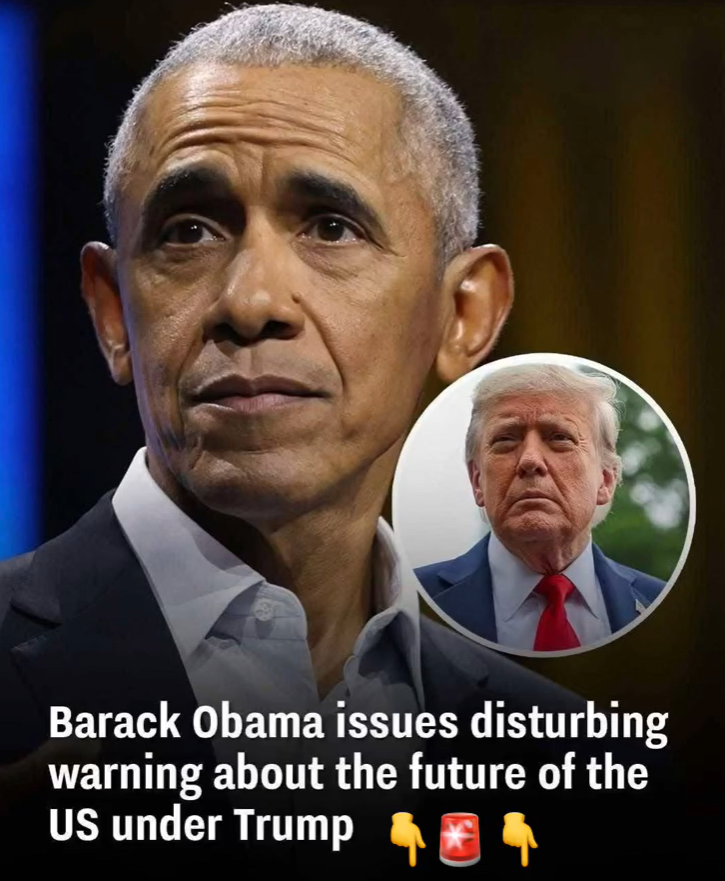
In an era of heightened political polarization and institutional stress, discussions about the health of American democratic systems have become increasingly prominent in public discourse. Former President Barack Obama recently addressed these concerns during a speaking engagement at the Connecticut Forum, offering his perspective on current political dynamics and expressing concerns about trends he views as potentially threatening to democratic governance.
Context and Setting of the Address
Obama’s remarks were delivered at the Connecticut Forum, a platform known for hosting discussions on significant social and political issues. The timing of his speech, coming amid various political controversies and protests, provided a backdrop for his observations about contemporary governance challenges. His comments reflect the perspective of someone who has experienced the responsibilities of executive leadership and observed the evolution of American political institutions over several decades.
The former president’s decision to speak publicly about these concerns represents a continuation of his post-presidency engagement with civic issues, following a pattern established by many former presidents who remain active in public discourse about matters of national importance.
Core Concerns About Democratic Governance
During his address, Obama articulated specific concerns about what he characterized as a weakening commitment to traditional democratic principles among current federal leadership. He referenced a generational understanding of democratic governance that he suggested has been prevalent since World War II, implying that recent developments represent a departure from established norms.
His comments focused particularly on what he described as responses to civil demonstrations, specifically referencing protests related to immigration enforcement policies. Obama suggested that the official responses to these demonstrations reflected patterns inconsistent with democratic governance principles.
The former president emphasized the importance of institutional checks and balances, suggesting that current political dynamics have challenged traditional mechanisms for ensuring accountability and preventing the concentration of power. His analysis pointed to concerns about the erosion of norms that have historically guided American governance.
International Comparisons and Historical Context
Obama’s remarks included comparisons to international political systems, specifically referencing Hungary under Viktor Orbán as an example of a system that maintains electoral processes while limiting other democratic freedoms. This comparison serves to illustrate his concerns about the potential for democratic institutions to be weakened even while formal electoral processes continue.
The comparison to Hungary reflects broader scholarly discussions about democratic backsliding, a phenomenon studied by political scientists who examine how democratic institutions can be eroded gradually rather than through sudden coups or dramatic political upheavals. This academic framework has gained prominence in recent years as observers have noted concerning trends in various democracies worldwide.
By placing American developments in this international context, Obama’s analysis suggests that the challenges facing American democracy are part of broader global patterns rather than isolated domestic issues. This perspective emphasizes the importance of vigilance in protecting democratic institutions against gradual erosion.
The Role of Civil Society and Institutional Response
A significant portion of Obama’s remarks focused on the importance of civil society response to perceived threats to democratic governance. He emphasized that protection of democratic institutions requires action from multiple sectors, including both governmental and non-governmental actors.
The former president specifically called for elected officials from both political parties to actively resist what he characterized as anti-democratic behaviors. This bipartisan appeal reflects his view that defending democratic institutions should transcend partisan considerations and represent a shared commitment to fundamental governance principles.
Obama’s emphasis on civil society response acknowledges the role that civic organizations, advocacy groups, and individual citizens play in maintaining democratic accountability. This perspective aligns with democratic theory that emphasizes the importance of active citizenship and civic engagement in maintaining healthy democratic systems.
Understanding Autocracy and Democratic Governance
Obama’s comments included an implicit definition of autocracy, describing systems where decision-making power is concentrated in a single individual or small group, without meaningful checks and balances. This definition helps clarify his concerns about current political trends and provides context for his warnings about democratic erosion.
The characteristics of autocratic governance that Obama highlighted include the absence of meaningful oversight, limited press freedom, and restricted citizen participation in governance processes. By contrast, he emphasized the importance of systems where “everybody’s voice matters” and where checks and balances prevent any individual or group from operating “above the law.”
This framework provides a lens for understanding his assessment of current political developments and his concerns about the normalization of behaviors that he views as inconsistent with democratic governance principles.
Balancing Critique with Optimism
Despite expressing serious concerns about democratic institutions, Obama maintained what he characterized as an optimistic outlook, referring to his reputation as the “hope” candidate during his presidential campaigns. This balance between critique and optimism reflects his approach to political engagement, which emphasizes the possibility of positive change through sustained civic effort.
His message to young people specifically emphasized the importance of maintaining “healthy outrage” about injustice while channeling that energy into constructive political action. This perspective suggests that passionate engagement with political issues should be combined with strategic thinking about how to achieve meaningful change.
Obama’s emphasis on “addition, not subtraction” in political engagement reflects a pragmatic approach to political change that acknowledges the need to build coalitions and find common ground even amid significant disagreements. This philosophy contrasts with more confrontational approaches to political engagement and emphasizes the importance of persuasion and compromise in democratic systems.
Contemporary Protest Movements and Democratic Participation
The former president’s remarks came in the context of various protest movements, including what were referred to as “No Kings” protests. His response to these demonstrations reflected support for peaceful civic engagement while emphasizing the importance of strategic approaches to political change.
Obama’s perspective on protest movements acknowledges their important role in democratic systems while suggesting that sustainable change requires broader coalition-building and institutional engagement. This view reflects traditional liberal democratic theory that values both popular participation and institutional stability.
His comments suggest that while protests and demonstrations serve important functions in highlighting issues and mobilizing public opinion, lasting change requires engagement with formal political processes and institutions. This perspective emphasizes the complementary roles of activism and institutional politics in democratic governance.