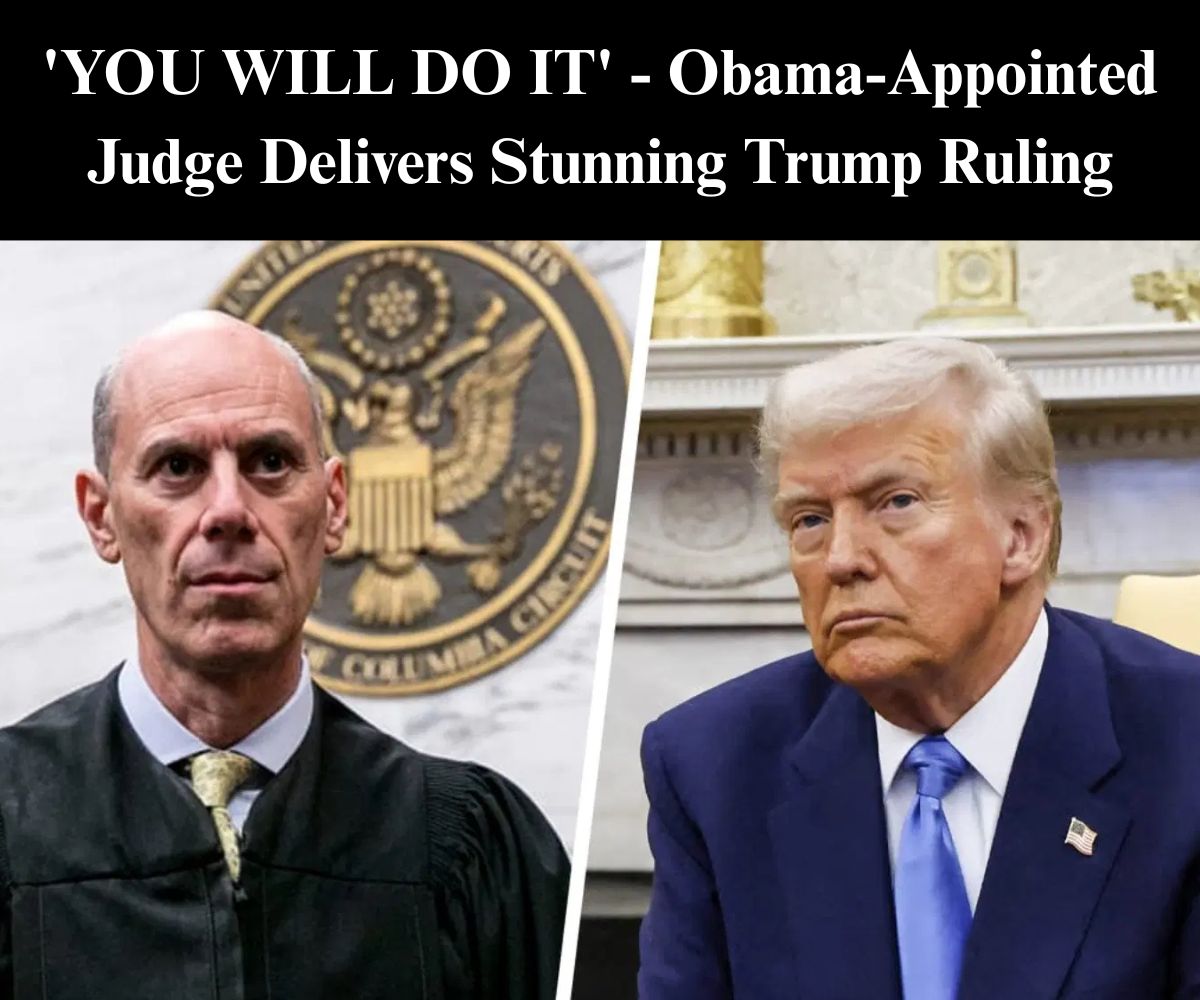
Chief Judge James Boasberg has ordered the release of previously sealed court documents related to high-profile legal disputes over attorney-client privilege in Special Counsel Jack Smith’s investigations into former President Donald Trump.
The ruling covers both Smith’s investigation into former President Trump’s challenge of the 2020 election and the classified documents case. Boasberg’s decision comes after years of secrecy surrounding the legal battles between Trump’s attorneys and the Special Counsel investigations led by Smith.
“In the election case, the Court will unseal all opinions, orders, and docket sheets involving disputes over attorney-client privilege,” Boasberg wrote.
In the classified documents case, he ordered the release of “docket sheets recording the dispute over the testimony of Trump’s lawyers, as well as any other responsive opinions and orders that the Government identifies.” However, the judge will allow the Justice Department to submit proposed redactions “ex parte and under seal” before the records are made public, to protect still-secret grand jury material.
The disputes largely stem from aggressive legal maneuvers by Special Counsel Jack Smith, who used a D.C. grand jury — overseen by then-Chief Judge Beryl Howell — to compel testimony from Trump’s lawyers. Howell, the Obama-appointed judge repeatedly ruled against Trump, including ordering attorney Evan Corcoran to testify despite his attorney-client privilege claims. In a major blow to Trump’s defense, Howell applied the “crime-fraud” exception, which allows privileged communications to be used if they further a crime.
In July 2024, District Judge Aileen Cannon dismissed the classified documents case entirely, ruling that Smith’s appointment by Attorney General Merrick Garland — and the special counsel’s unlimited funding — were unconstitutional. Cannon later agreed to revisit the dismissal following Trump’s lawyers’ arguments citing Justice Clarence Thomas’s concurring opinion on presidential immunity, but ultimately upheld her earlier decision. Following Trump’s reelection, the Justice Department dropped its appeals in both the election interference and classified documents cases.
Boasberg’s ruling notes that public court filings and Trump’s own legal submissions have already disclosed some of the privilege disputes, reducing the need for continued secrecy under Federal Rule of Criminal Procedure 6(e), which governs grand jury confidentiality.
In the election case, the government had publicly acknowledged that “at least 25 witnesses withheld information, communications, and documents based on assertions of the attorney-client privilege” and that the court had issued orders compelling production of some of that material. These “authoritative disclosures,” Boasberg said, justify unsealing related records — with sensitive details such as witness identities still protected through redactions.
In the documents case, Trump himself filed redacted versions of Judge Howell’s orders and opinion in Florida court, which “put the orders and opinion into the public domain.”
Still, the names of the lawyers and other details remain blacked out, and unconfirmed media reporting about their identities is not enough to remove those protections, the court ruled. Boasberg’s order instructs the government to review all responsive documents and submit proposed redactions before the court releases them.
The forthcoming release will mark the first time the public sees the full scope of the court battles over whether Trump’s lawyers could be compelled to testify against him in Jack Smith’s probes — a flashpoint that shaped the trajectory of two of the most politically charged prosecutions in recent U.S. history.
The unsealing process now ordered by Judge Boasberg will not only shed new light on how prosecutors pierced one of the most fundamental protections in American law, but it will also reopen debate over whether the Justice Department’s tactics in pursuing Trump crossed ethical or constitutional lines.
While key names and details will likely remain hidden under redactions, the public will soon see how the law was twisted to get one of Trump’s own lawyers to turn witness against him. Judge Boasberg’s order shields some of those who are guilty of weaponizing the Department of Justice, but enough will likely be revealed to show Americans how lawfare ran rampant under the Biden administration.