Are you aware that a stroke can be a serious and life-threatening event? As we age, it becomes increasingly important to understand the risks and warning signs associated with strokes, especially because people between the ages of 45 and 65 are more susceptible.
A stroke occurs when the blood supply to the brain is interrupted, typically caused by blood clots or blocked arteries. This interruption prevents brain cells from receiving the oxygen they need, which can lead to their death. The effects of a stroke can vary depending on the duration of the interruption.
A mini-stroke, also known as a transient ischemic attack (TIA), is a temporary blockage of a blood vessel. Although the symptoms of a TIA may disappear quickly, they serve as a warning sign for a potentially more serious stroke. Surprisingly, 4 in 10 people who experience a TIA will have a stroke later on.
On the other hand, a major stroke can cause severe symptoms and long-term problems due to the damage it inflicts on the brain. In some cases, immediate medical help is crucial to prevent fatalities. Remember, seeking help as soon as possible improves your chances of recovery.
Who is at Risk?
While strokes can affect anyone, certain factors can increase your risk. It’s important to be aware of these factors and recognize the warning signs associated with strokes. Some risk factors, such as being overweight or smoking, are within our control and can be modified to reduce the risk. Others, like high cholesterol, high blood pressure, diabetes, or atrial fibrillation, also contribute to a higher risk of stroke.
Taking control of your health can considerably reduce your risk of stroke. Maintaining a balanced diet, engaging in regular exercise, and adopting a healthy lifestyle are strongly recommended. Consult your doctor or arrange a health screening to gain valuable insights into your individual stroke risk. By monitoring your blood pressure, cholesterol levels, and other factors, potential issues can be identified and necessary precautions can be taken.
Recognizing Early Warning Signs
Recognizing the early warning signs of a stroke is crucial. You may have heard of the FAST acronym, which can help you remember the most common signs of a stroke:
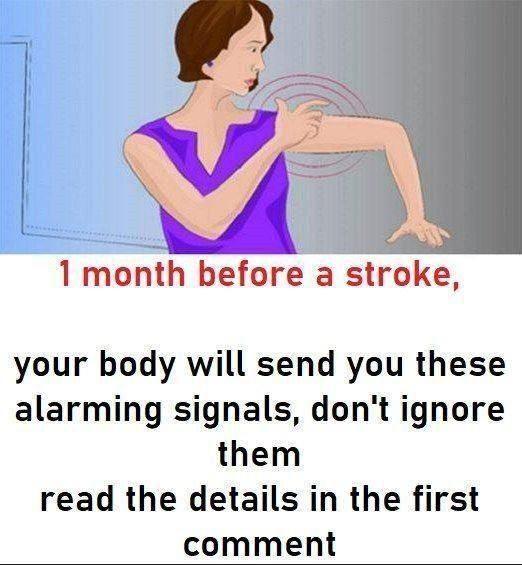
Face drooping: When you ask the person to smile, their smile may appear crooked or one-sided. Arm weakness or numbness: If one arm drops lower than the other when they are asked to lift both, there might be a problem. Speech problems: Slurred speech or difficulty repeating a sentence. Time to call an ambulance: Act immediately if you notice any of these signs.
In addition to these signs, there are other possible symptoms to watch out for:
- Sudden, severe headache
- Sudden dizziness, loss of balance, or coordination
- Loss of vision or changes in vision
- Confusion or difficulty understanding
- Numbness or weakness on one side of the body
Remember, the signs of a stroke often appear suddenly, but this doesn’t mean you won’t have time to act. Some people experience symptoms such as headaches or tingling days before a major stroke occurs. By paying attention to these symptoms and seeking help, even if they go away, you can greatly improve your chances of recovery. Don’t ignore the early warning signs, as a more serious stroke may be imminent.
Why Acting Fast is Critical
If you suspect that you or someone else is experiencing a TIA or stroke, it is crucial to seek help immediately. Stroke is a medical emergency and prompt treatment is essential. Call an ambulance right away and inform them of your suspicions. Remember, even if the symptoms disappear, it is still important to go to the hospital as it may have been a mini-stroke.
The type of treatment you receive will depend on the type and severity of the stroke, as well as the affected area of the brain. Restoring the blood supply to the brain is the first priority. Medication may be used to dissolve blood clots, and in some cases, surgery may be necessary. The sooner you receive treatment, the better the outcome.
After the initial treatment, additional long-term care may be required to prevent future strokes and aid in recovery. This may include medication to prevent blood clots or lower blood pressure, as well as surgical interventions to improve blood flow to the brain. Depending on the individual, support may be needed to manage any lingering effects such as speech or mobility problems. Seeking help promptly not only makes treatment easier but also reduces the likelihood of long-term complications.
Now that you understand the importance of acting quickly, can you remember what FAST stands for?