Tensions Rise as U.S. Response to Middle East Conflict Draws Global Focus
In an increasingly volatile global landscape, presidential communication plays a vital role in shaping both domestic confidence and international stability. As military conflicts escalate in the Middle East, particularly between Israel and Iran, statements from the U.S. President are being closely watched for signs of potential involvement or restraint.
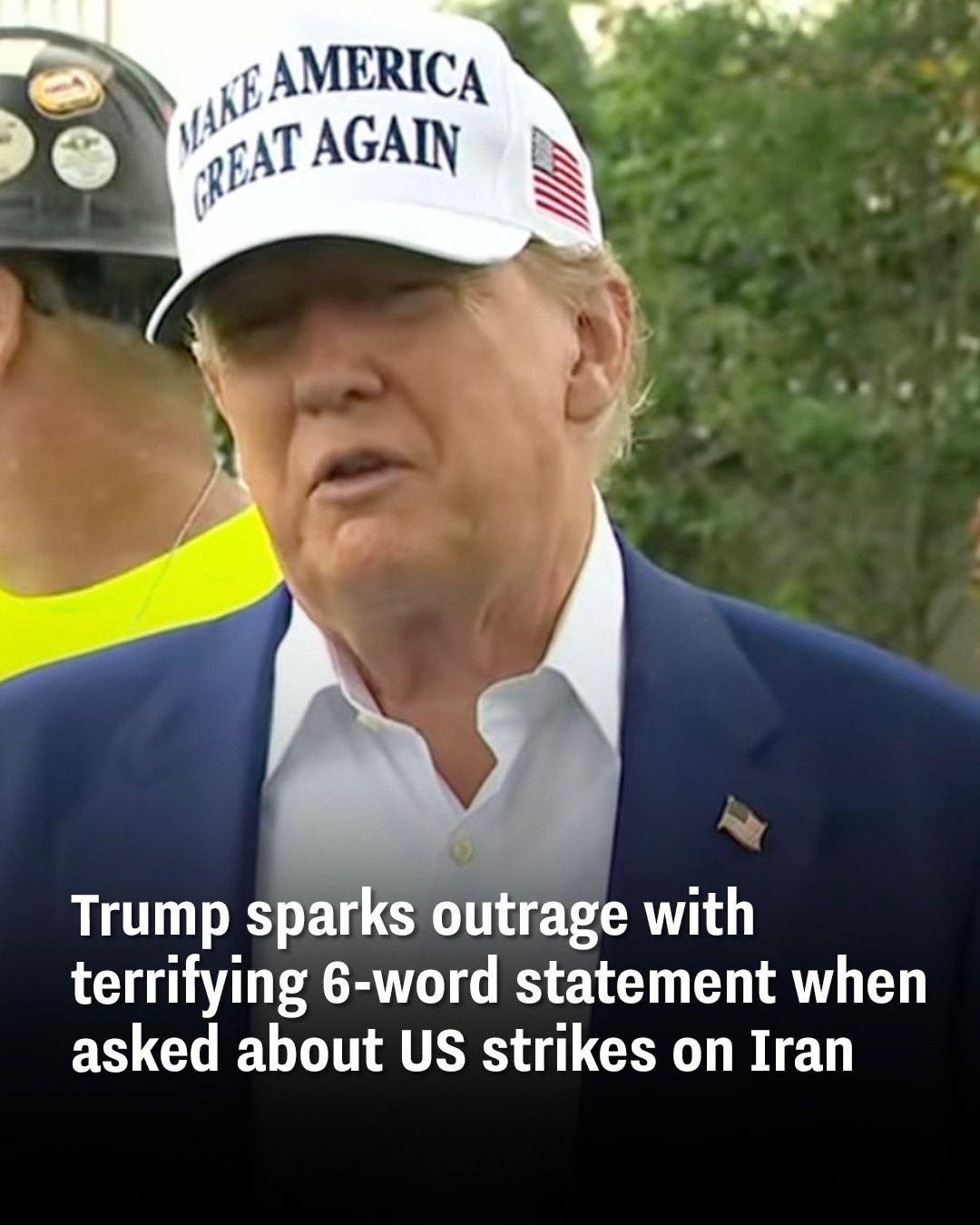
This week, a brief but highly scrutinized comment made by President Donald Trump reignited national and international conversations about America’s role in the conflict. When asked whether the United States would consider launching military strikes against Iran, President Trump replied, “I may do it, I may not do it. Nobody knows what I’m gonna do.” The remark, though short, sparked a wave of reactions across political, military, and diplomatic circles.
Conflict Escalation in the Middle East
The conflict began intensifying on June 13, when Israel launched a broad military campaign targeting Iranian nuclear and military infrastructure. Israeli officials cited concerns over Iran’s nuclear development as the justification for the strikes, which have included over 1,100 reported targets.
In response, Iran launched retaliatory missile strikes that managed to breach Israel’s air defense systems, hitting urban areas and causing civilian casualties. Notably, one Iranian strike reportedly hit near a hospital in Beersheba, an incident that has drawn global concern and varying narratives from both sides.
The growing toll is severe: Over 220 fatalities have been reported in Iran, while retaliatory strikes on Israel have resulted in at least 24 deaths. International observers have voiced concern over the potential for the conflict to escalate into a broader regional war.
Strategic Communication or Ambiguity?
The president’s brief statement on the White House South Lawn has fueled debate about the U.S.’s possible next steps. Some analysts interpreted his words as a tactic of strategic ambiguity, meant to keep adversaries uncertain and maintain leverage. Others viewed it as a sign of hesitation or an unclear policy direction during a time of growing international tension.
Adding to the complexity, President Trump posted a series of statements on Truth Social that suggested frustration with diplomatic efforts and hinted at stronger military options. One post stated that the U.S. has “complete and total control of the skies over Iran,” while another referred to Iran’s Supreme Leader with pointed rhetoric, prompting further scrutiny from global observers.
A Shift in U.S. Strategy?
Earlier in the year, the U.S. administration had taken a cautious approach, urging Israel to delay military action while pursuing a diplomatic resolution. According to administration insiders, the president had hoped to avoid deeper military commitments in the region. However, as nuclear negotiations faltered and Iran’s enrichment activities reportedly continued, that position appears to have shifted.
Recent military movements—including the deployment of over 30 aerial refueling tankers—suggest that the Pentagon is preparing for a range of contingencies. Discussions have included possibilities like logistical support for Israeli operations or limited joint strikes if diplomacy continues to stall.
Political and Public Reactions
Reactions within the U.S. have been mixed. Some political figures, including members of Congress, support a stronger military posture, citing national security and non-proliferation concerns. Others have cautioned against hasty decisions, warning of unintended consequences and urging more transparent communication.
Public response on social media has reflected similar divisions. While some users supported the president’s approach as firm and strategic, others expressed concern about the uncertainty and the potential for escalation. Many Americans, still wary from previous conflicts in the region, voiced fears about a new military engagement and its human and financial costs.
International Repercussions
U.S. allies and adversaries alike have been closely monitoring Washington’s rhetoric and readiness. European diplomats are working to de-escalate the conflict through independent negotiations with Iran, urging the country to reaffirm its commitment to peaceful nuclear development.
Meanwhile, countries like Russia have expressed concern about further escalation. In a rare comment, President Vladimir Putin declined to speculate on potential attacks involving high-profile Iranian leaders, emphasizing the seriousness of the situation.
Iran’s response to U.S. statements has included both warnings and dismissive remarks, with officials asserting that any military intervention would lead to long-lasting consequences.
Looking Ahead
As the situation develops, all eyes remain on the United States and its potential role in shaping the outcome of a conflict that could redefine regional stability in the Middle East. Whether through diplomacy, deterrence, or direct action, the next steps taken by U.S. leadership will likely have significant implications for global security.
For now, the uncertainty continues—marked by statements, movements, and decisions that may chart the course of international relations in the months ahead.