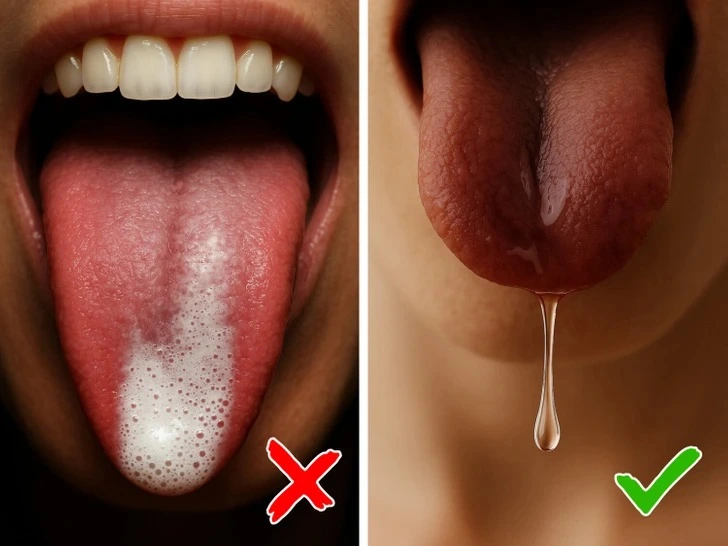
Waking up to a wet spot on your pillow isn’t unusual — many of us have experienced it. Occasional drooling during sleep is generally harmless and often goes unnoticed. But if it happens frequently or in large amounts, it could be a sign of an underlying issue worth exploring, such as allergies, sleeping position, or breathing problems.
CONTENT IS PROVIDED FOR INFORMATIONAL PURPOSES ONLY AND IS NOT INTENDED AS A SUBSTITUTE OF MEDICAL ADVICE. SEEK GUIDANCE OF YOUR DOCTOR REGARDING YOUR HEALTH AND MEDICAL CONDITIONS.
What causes us to drool?

When we sleep, our facial muscles and swallowing reflexes relax completely. This allows saliva to build up in the mouth and may leak out, especially if the mouth is slightly open—often resulting in a wet pillow.
Excessive drooling, known as hypersalivation, can sometimes signal underlying health issues such as neurological disorders or nasal congestion. Individuals recovering from conditions like a stroke may also experience more frequent or intense drooling. If it’s persistent, it’s worth consulting a medical professional.
Ways to prevent excessive drooling.
Relieve nasal congestion.

A blocked nose is a common cause of drooling because it forces you to breathe through your mouth during sleep. To help avoid waking up with a wet pillow, it’s important to keep your sinuses clear. This can include using steam (like from a hot shower), applying essential oils such as eucalyptus, or using decongestant balms. Treating nasal infections promptly also prevents long-term blockage and helps maintain proper airflow:
- A warm shower before bed can help open up nasal passages and promote easier nighttime breathing.
- Essential oils—particularly those with eucalyptus—can help clear nasal passages, making it easier to breathe and improving sleep quality.
- Products designed to relieve sinus congestion—like Vicks VapoRub—can help open up nasal passages and improve airflow, making nighttime breathing more comfortable.
It’s important to treat nasal infections promptly, as ignoring them can lead to ongoing issues like chronic congestion. Addressing symptoms early helps prevent long-term complications and supports better breathing during sleep.
Evaluate for signs of sleep apnea.

Sleep apnea is a serious sleep disorder where breathing repeatedly stops and starts, disrupting normal rest. This can lead to fatigue, poor focus, and daytime drowsiness. Common signs include snoring and drooling, which may indicate that your airways are obstructed during sleep. If you suspect you might have sleep apnea, it’s important to consult a healthcare provider.
Risk factors such as smoking or being overweight can increase the likelihood of this condition and make breathing problems worse. Early diagnosis can significantly improve your sleep and overall health.
Maintain proper saliva balance.

Sometimes, the natural balance of saliva in your mouth can be disrupted, leading to excessive drooling and poor oral health. This might result from dehydration, poor diet, or certain medications. Solutions:
- Try sucking on a slice of lemon before bed — the sharp acidity of citrus may help stimulate your salivary glands and thin the saliva, potentially reducing drooling overnight.
- Make sure to stay well-hydrated — when your body has enough water, it doesn’t need to overproduce saliva to keep your mouth moist.
Have your dental health evaluated.

To help reduce drooling caused by dental issues like cavities or gum inflammation:
- Maintain good oral hygiene by brushing your teeth twice daily and using a mouthwash that helps fight bacteria and reduce gum swelling.
- Schedule regular dental check-ups to detect and address any problems, such as infections, misalignment, or other oral conditions that could contribute to excess saliva.
Sleep with your head elevated.

Raising your head with a slightly higher or firmer pillow can help minimize drooling by encouraging better mouth closure and airflow. Make sure your pillow supports your neck comfortably and keeps your head elevated throughout the night. Adjusting your sleep position like this can also reduce the chance of saliva pooling in your mouth.
Try adjusting your sleeping position.

Sleeping on your back helps keep saliva inside the mouth, preventing drooling. In contrast, lying on your side or stomach makes it easier for saliva to escape. To maintain a back-sleeping position, try using pillows or blankets to support and stabilize your body through the night.
Get tested for allergies.

Individuals with seasonal allergies might produce more saliva than usual, potentially causing drooling. Testing for allergens like dust mites, pollen, or pet dander can help identify triggers. Once treated, improved breathing may significantly reduce nighttime salivation.
Use a humidifier.
