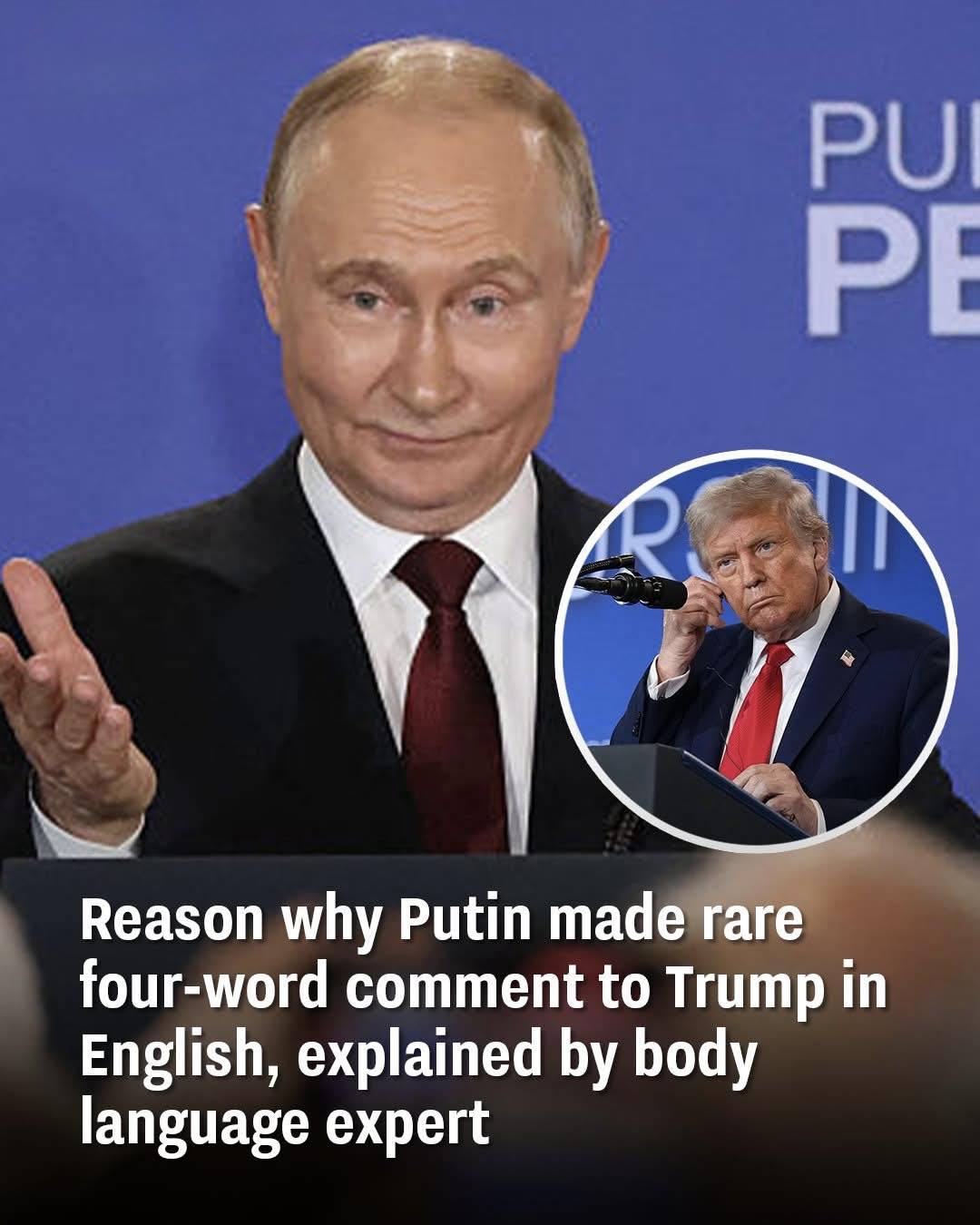
Anchorage, Alaska — A rare moment of unscripted diplomacy has sparked international intrigue after Russian President Vladimir Putin surprised former U.S. President Donald Trump with a brief English remark at the conclusion of their high-stakes meeting in Alaska.
The summit, held Friday (August 15) at Joint Base Elmendorf-Richardson, brought the two leaders together for more than three hours of discussions on the war in Ukraine. While expectations of a breakthrough were high, no peace agreement or ceasefire was announced.
Trump, speaking afterward, described the exchange as “extremely productive,” noting that while most issues had been resolved, a few critical points remained. “We didn’t get there, but we have a very good chance of getting there,” Trump told reporters during the 12-minute press conference.
But the headline-grabbing moment came not from the policy discussions, but from Putin’s parting words.
“Next Time in Moscow”
As the press conference drew to a close, Putin turned to Trump and spoke directly in English: “Next time in Moscow.”
The remark appeared to catch Trump off guard, prompting him to respond: “That’s an interesting one. I’ll get a little heat on that one. But I could see it possibly happening.”
The exchange instantly raised questions — why did Putin choose to speak English, and why at this particular moment?
Body Language Expert Weighs In
According to body language analysts, Putin’s choice of words — and his decision to deliver them in English — was more than a casual remark.
Experts suggest the move was a deliberate display of control and confidence. By switching languages, Putin seized the spotlight in a way that left Trump momentarily unprepared. “It was a power play cloaked as an invitation,” one analyst explained. “By saying it in English, Putin ensured not just Trump but the global audience would grasp the message directly.”
The expert also noted Putin’s posture and tone, describing them as relaxed but calculated. “It wasn’t off-the-cuff. His body language showed he wanted the remark to land with weight. It was both symbolic and strategic.”
A Strategic Invitation
The phrase “Next time in Moscow” carries symbolic significance. No U.S. president has visited Russia since Barack Obama attended the G20 Summit in 2013. For Trump, accepting such an invitation would spark intense political debate in Washington and abroad.
Putin’s choice to extend the invitation publicly — and in English — may have been intended to test Trump’s response under pressure. Trump, known for his spontaneous style, reacted cautiously, acknowledging the remark while admitting it could stir controversy.
The Bigger Picture
Beyond body language and diplomacy, the moment underscored the broader stakes of the meeting. Both leaders framed the discussions as centered on stopping bloodshed in Ukraine, with Trump declaring: “We’re going to stop thousands of people a week from being killed, and President Putin wants to see that as much as I do.”
Still, without a signed agreement, the meeting ended with symbolism rather than substance — leaving Putin’s four-word remark as the most memorable takeaway.
Whether Trump takes him up on the Moscow visit remains to be seen, but analysts agree: the calculated use of English was no accident. It was a carefully timed gesture designed to resonate not just with Trump, but with the world.