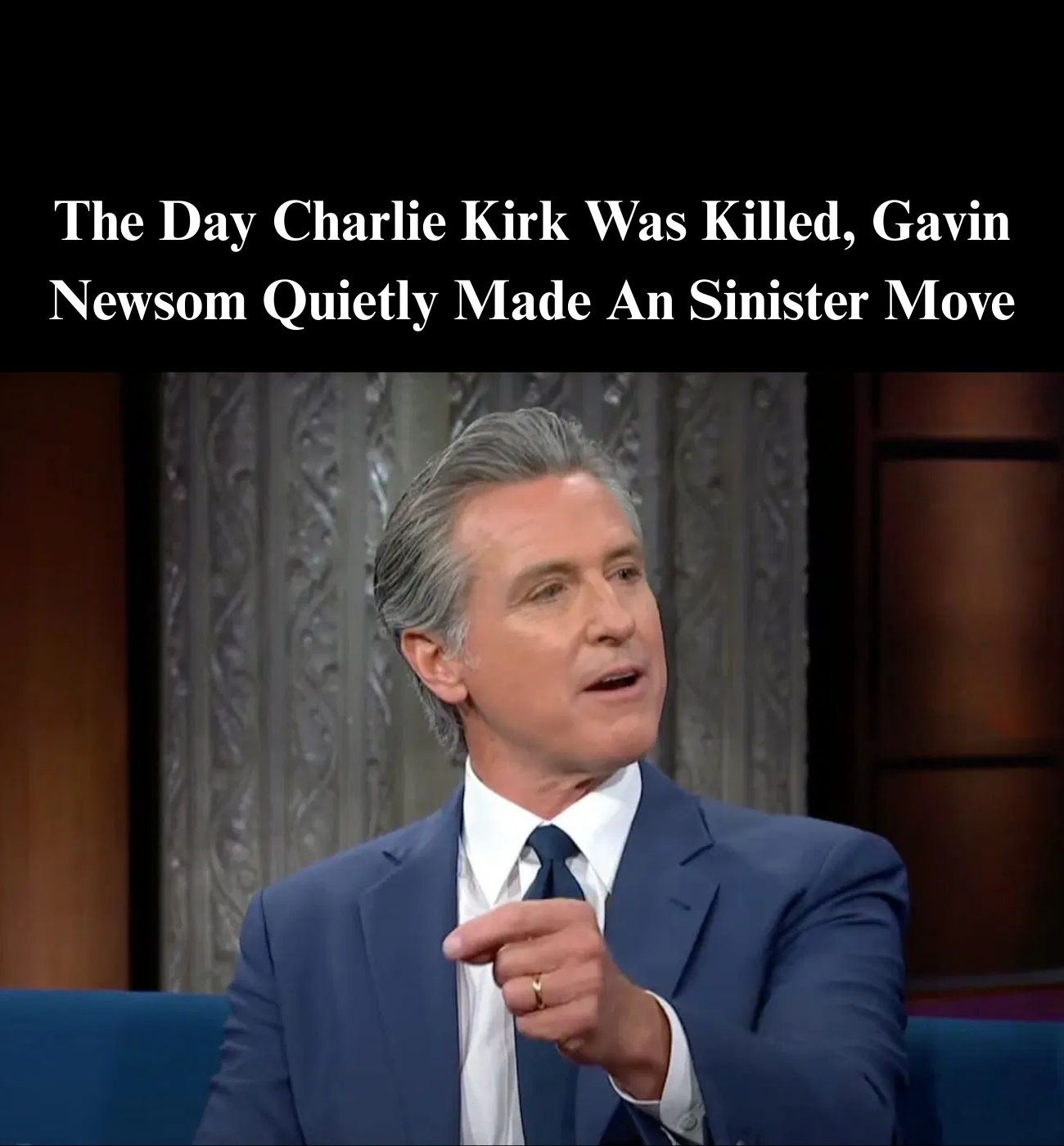
California lawmakers have passed a sweeping online speech bill, Senate Bill 771, that would impose civil penalties of up to $1 million on social media platforms accused of algorithmically amplifying content deemed hateful.
The measure now sits on Governor Gavin Newsom’s desk, awaiting his decision.
The bill, formally titled Personal Rights Liability, Social Media Platforms, passed the Assembly on September 10 and cleared the state Senate again for concurrence on September 16. The legislation advanced with relatively little public notice, as national attention was focused on the assassination of conservative activist Charlie Kirk that same week.
According to the text of SB 771, platforms operating in California could face civil penalties of up to $500,000 for reckless violations and up to $1 million for intentional, knowing, or willful violations if their algorithms are found to amplify hateful material. The bill emphasizes protections against online harassment “particularly when directed at historically marginalized groups.”
Senator Henry Stern, the bill’s sponsor, argued that the legislation fills a gap in existing law by holding companies accountable for automated systems that drive engagement with harmful content. Supporters maintain that unchecked algorithmic amplification contributes to harassment, disinformation, and real-world violence.
Opponents counter that the bill represents government overreach and risks chilling lawful political expression. The Computer & Communications Industry Association (CCIA), a major trade group, testified against the bill in June, warning that the high penalties could incentivize platforms to over-censor and disproportionately silence dissenting viewpoints.
Civil rights organizations have also voiced skepticism. The American-Arab Anti-Discrimination Committee (ADC) issued an August 21 statement calling the measure “censorship disguised as civil rights.”
Industry figures note that SB 771 raises unresolved questions about how “hateful” content would be defined and adjudicated, and how responsibility would be assigned when millions of posts circulate daily across multiple platforms.
Critics also point to potential conflicts with federal law, particularly Section 230 of the Communications Decency Act, which generally shields online services from liability for user-generated content.
Free speech advocates have compared the measure to laws in the United Kingdom and European Union, which have introduced strict penalties for online platforms failing to remove or moderate prohibited content. They argue that California’s proposal could be the first state-level step in reshaping national digital standards.
The political timing of the bill has also drawn attention. On September 10, while the Assembly passed SB 771, news was dominated by reports of Kirk’s assassination during a campus speech in Utah.
By September 16, when the Senate voted to concur, discussion in national media continued to center on the fallout from that event. Posts on social media platforms highlighted how SB 771 advanced with little debate beyond Sacramento.
If signed into law, enforcement would fall to state authorities. Any violation, even on platforms headquartered outside California, could expose companies to state-level penalties if the content reached users within California.
Analysts say this could force major firms such as Meta, X (formerly Twitter), and TikTok to alter how their algorithms function nationwide in order to comply with California standards.
Legal challenges appear likely. First Amendment scholars have noted that government penalties for amplifying speech, even if algorithmic, may not withstand constitutional scrutiny.
The bill’s focus on marginalized groups could strengthen its defense as a civil rights measure, but courts would still have to weigh whether it infringes upon protected speech.
Governor Newsom has not publicly commented on whether he intends to sign or veto the bill. His administration has previously supported aggressive regulation of technology companies, including privacy laws and rules on child safety online. A decision is expected in the coming weeks.
If enacted, SB 771 would mark one of the most far-reaching attempts by a U.S. state to regulate the content practices of social media companies. It could set a precedent for similar measures across the country, intensifying the ongoing national debate over how to balance online safety with free expression.