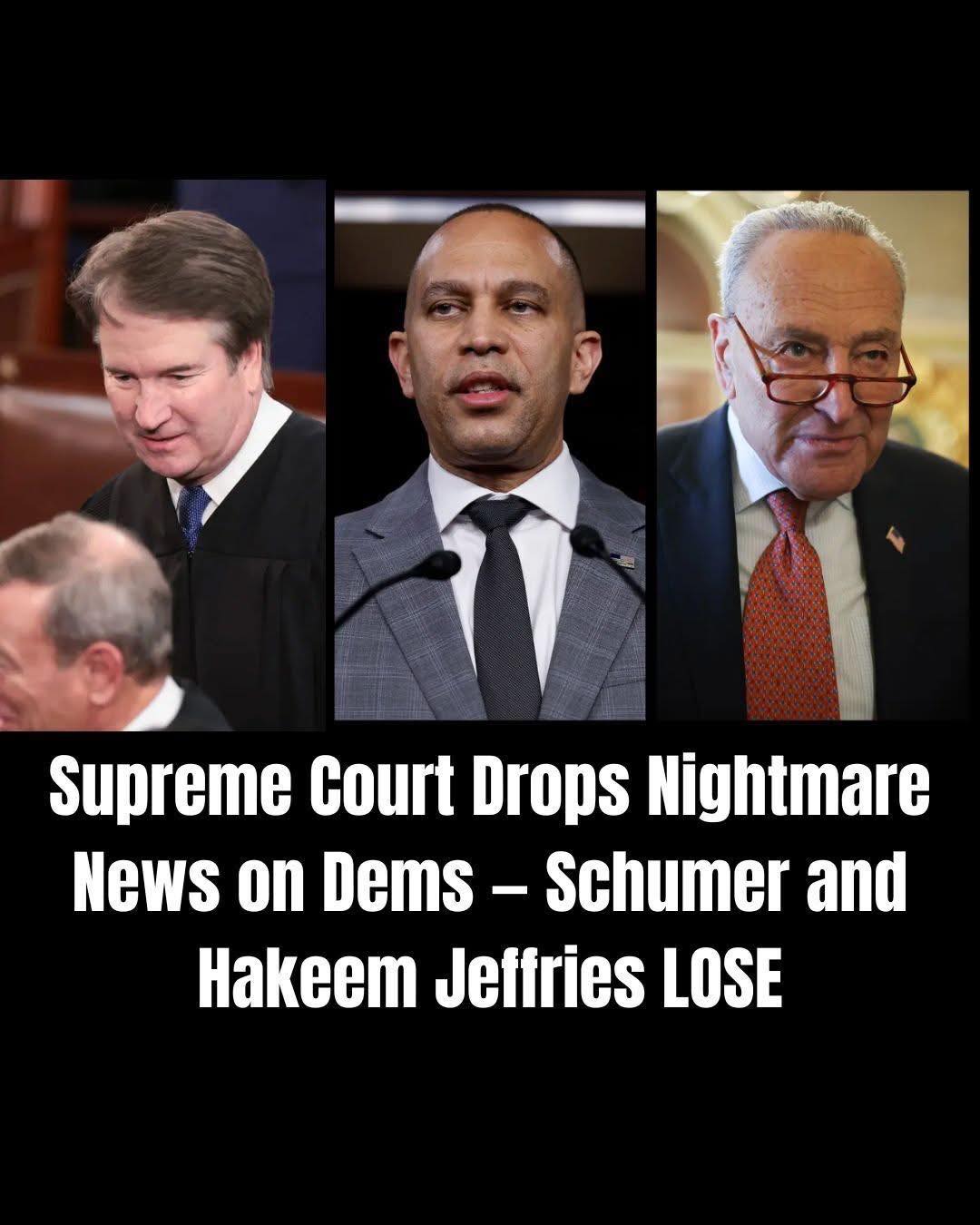
A high-stakes Supreme Court case set for reargument on Wednesday could dramatically reshape the political map for the 2026 midterm elections, potentially putting at least 19 Democratic-held congressional districts at risk of flipping to Republican control. The case, Louisiana v. Callais, addresses fundamental questions about racial representation in congressional redistricting and the limits of the Voting Rights Act.
At issue is Louisiana’s attempt to create a second majority-Black congressional district. The state’s legislature contends that the creation of this district is required to comply with Section 2 of the Voting Rights Act, which prohibits redistricting plans that dilute the voting power of minority communities. Plaintiffs, led by Phillip Callais, argue that the new map amounts to an unconstitutional racial gerrymander that violates the Fourteenth and Fifteenth Amendments.
The Fourteenth Amendment guarantees equal protection under the law, while the Fifteenth prohibits denying citizens the right to vote based on race. Attorneys for Louisiana argued during Wednesday’s hearing that the state was essentially placed between a rock and a hard place: either create a second Black-majority district or face federal intervention by the Justice Department.
Potential National Implications
While the case focuses on Louisiana, its implications could extend nationwide. A Supreme Court ruling in favor of Callais could limit the ability of states to consider race in redistricting, potentially reshaping dozens of congressional maps and influencing the partisan balance of the House of Representatives. Analysts warn that a decision against the state could threaten 19 Democratic-held districts, many of which have relied on protections under the Voting Rights Act to maintain their electoral composition.
Democratic strategists are particularly concerned about the Court’s conservative 6-3 majority, which has in recent years ruled in ways that have curtailed federal protections for minority voters in similar cases. A ruling siding with Callais could allow states to redraw district lines in ways that dilute the voting power of Black and other minority populations, potentially handing several Democratic seats to Republican candidates.
Background on Louisiana’s Redistricting Efforts
Louisiana’s congressional map was revised after lawsuits claimed the previous configuration violated Section 2 of the Voting Rights Act. Critics of the original map argued that it weakened the influence of Black voters in the state, prompting the legislature to create a second majority-Black district.
Phillip Callais, joined by a coalition of non-Black voters, challenged the new map, asserting that basing districts primarily on race constitutes unconstitutional gerrymandering. This case represents a broader legal debate over how far states can go in considering racial demographics when drawing congressional boundaries—a debate that has reached the Supreme Court several times over the past two decades.
Legal experts note that the Court’s decision could set a precedent affecting how other states implement Section 2 of the Voting Rights Act. This is especially significant in states with diverse populations, where redistricting plans must balance compliance with federal protections for minority voters against constitutional prohibitions on racial discrimination.
The Political Stakes
The potential political consequences of a ruling against Louisiana are significant. According to reports from left-leaning advocacy groups such as Fair Fight Action and the Black Voters Matter Fund, 19 Democratic-held congressional districts could be at risk if Section 2 protections are limited. Many of these districts currently rely on majority-minority configurations to ensure equitable representation.
Republican leaders, including former President Donald Trump, have made it clear that preserving GOP control of the House is a priority heading into 2026. Trump has suggested that states could pursue out-of-cycle redistricting efforts if favorable Supreme Court rulings make it legally feasible. Such maneuvers could further alter the political landscape, giving Republicans additional opportunities to gain seats.
Some of the districts under potential threat include:
Alabama’s 2nd Congressional District, which encompasses Mobile and most of the Montgomery metropolitan area and is represented by Democrat Shomari Figures.
Other Southern and swing districts that have historically relied on protections under the Voting Rights Act to maintain Democratic representation.
A shift in these districts could have nationwide ramifications, affecting not only the composition of the House of Representatives but also the broader strategic landscape for both parties leading into the midterms.
Democratic Response and Concerns
Democratic lawmakers and advocacy groups have expressed deep concern about the potential erosion of minority voting rights. Many argue that limiting the ability of states to create majority-minority districts could disproportionately affect Black, Latino, and other minority voters, weakening their influence in congressional elections.
“This case has the potential to roll back decades of progress in protecting minority voters,” said a Democratic strategist familiar with the litigation. “If the Court rules against Louisiana, it would send a signal that states can redraw maps in ways that undermine fair representation, putting dozens of Democratic-held seats at risk.”
The uncertainty surrounding the Supreme Court’s decision has prompted some Democrats to begin contingency planning, exploring ways to protect vulnerable districts through strategic campaigns and increased voter outreach. However, analysts caution that legal constraints may limit how much states can adjust maps in response to a ruling, particularly if the Court issues a broad decision restricting the use of race in redistricting.
Broader Legal Context
Louisiana v. Callais is part of a larger legal debate over the role of race in congressional redistricting. Over the past 20 years, the Supreme Court has grappled with similar questions, issuing rulings that both upheld and limited the use of racial data in drawing electoral boundaries.
Proponents of majority-minority districts argue that these configurations are essential for ensuring that minority communities have a meaningful voice in Congress. Opponents contend that basing districts primarily on race can violate the constitutional principle of equal protection and result in gerrymandering that unfairly benefits one party.
The Supreme Court’s decision in the Callais case could provide new guidance for legislatures across the country, shaping the balance between protecting minority representation and preventing unconstitutional racial gerrymandering.
Looking Ahead
As the Supreme Court prepares to issue a decision, political analysts are closely watching the arguments and the makeup of the Court. With the 2026 midterms approaching, the stakes could not be higher for both parties. A ruling in favor of Callais could shift the political landscape dramatically, while a decision supporting Louisiana would reinforce the current protections for minority voters in congressional redistricting.
Regardless of the outcome, the case highlights the enduring tensions between race, representation, and partisanship in American politics. For Democrats, particularly those representing vulnerable districts, the decision could determine whether they retain critical seats or face significant challenges from Republican opponents.
Ultimately, Louisiana v. Callais is more than a legal dispute over a single state’s map—it is a potential turning point in the ongoing struggle to balance constitutional principles, minority voting rights, and political strategy on the national stage.