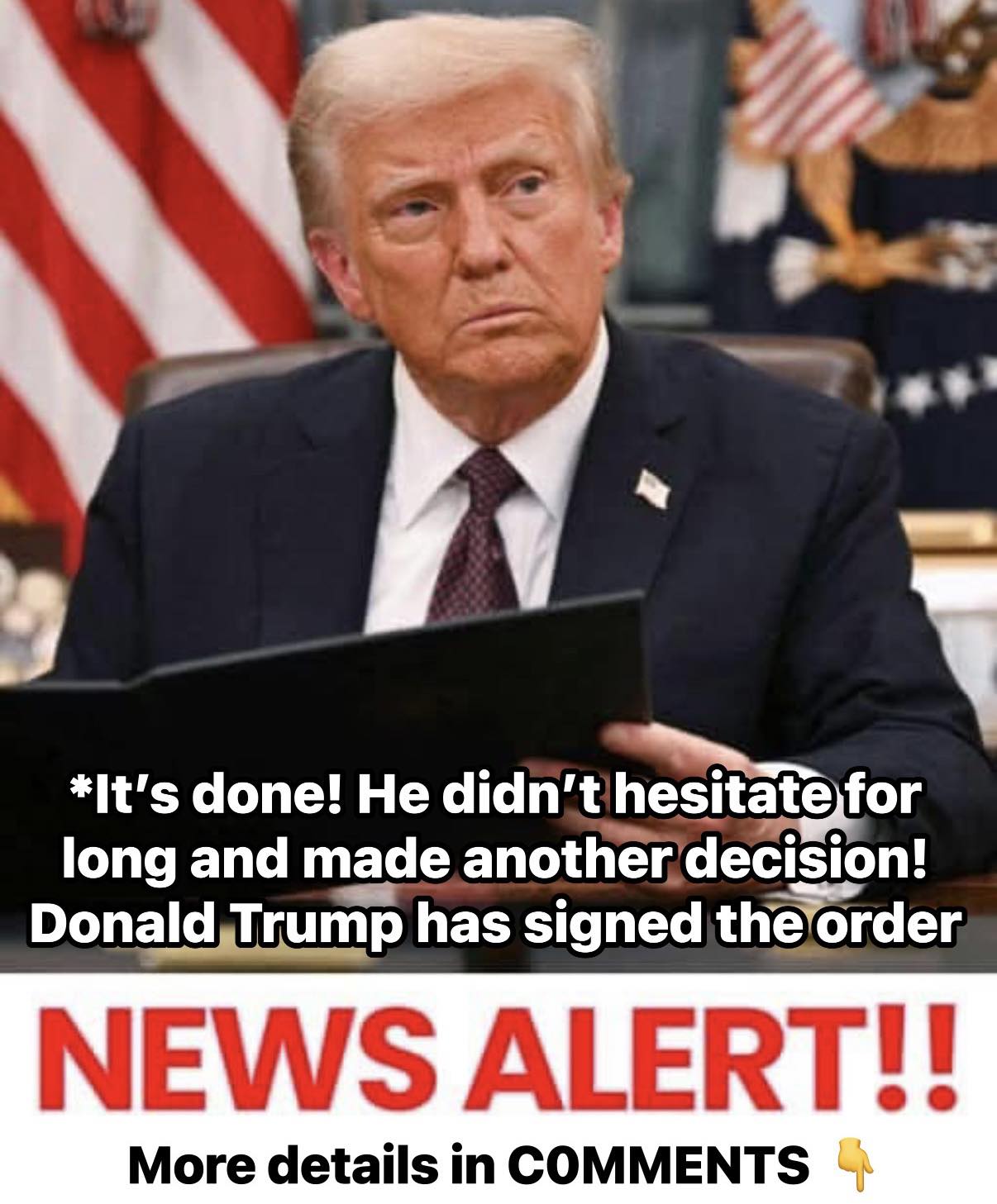
In a significant policy shift that has sparked both praise and controversy across international and domestic arenas, former U.S. President Donald Trump signed an executive order in January 2025 that authorizes the deportation of foreign students participating in protests deemed anti-Israel or supportive of designated terrorist organizations. This executive order, which the administration describes as a measure to combat anti-Semitism, has major implications for international students studying in the United States and the broader debate over free speech on college campuses.
The order directs federal agencies, including the Department of Homeland Security (DHS) and the Department of State, to review and potentially revoke visas of non-U.S. citizens involved in demonstrations that are interpreted as promoting hostility toward the State of Israel or supporting groups such as Hamas, which has been officially designated a foreign terrorist organization by the U.S. since 1997. The administration argues that this measure is necessary to curb what it sees as an alarming rise in anti-Semitic sentiments in academic institutions.
A Direct Response to Campus Protests
Over the past several years, university campuses across the United States have seen a dramatic increase in activism related to the Israeli-Palestinian conflict. Pro-Palestinian demonstrations intensified following escalations in the Middle East, prompting heated debates about the limits of political expression, academic freedom, and national security.
The Trump administration has taken the position that certain chants, slogans, or expressions used in these protests go beyond protected speech when they appear to endorse violence or materially support foreign terrorist groups. Citing immigration law, the order makes it clear that visa holders do not enjoy the same speech protections as U.S. citizens if their actions are interpreted as endorsing terrorism.
Under Section 212(a)(3)(B) of the Immigration and Nationality Act, non-citizens may be denied entry or deported if they are found to have “endorsed or espoused” terrorist activity. The new executive order explicitly ties certain protest behaviors to these criteria, empowering federal agencies to act swiftly.
What the Executive Order Does
The executive order contains several major provisions:
Visa Review and Revocation: Federal agencies must identify international students involved in what the administration defines as anti-Israel or pro-Hamas activities. This includes monitoring campus events, reviewing arrest records, and examining affiliations with certain student groups.
Expanded Definition of Anti-Semitism: The order aligns with previous efforts to broaden the legal understanding of anti-Semitism. Criticism of Israel that crosses a certain line may be classified as hate speech or support for terrorist ideology.
Priority Enforcement: The order makes deportation of these individuals a top immigration enforcement priority, placing such cases alongside those involving national security threats.
Officials in the administration argue that the government has a duty to protect Jewish communities and prevent the spread of extremist ideologies within U.S. borders.
Supporters Applaud the Move
Supporters of the order have hailed it as a bold step in addressing what they consider a growing crisis of anti-Semitism in educational institutions. Several advocacy groups praised the administration for taking concrete action rather than issuing symbolic condemnations.
“This is about safety and accountability,” said one senior administration official. “Foreign students who come to the United States on a visa are guests in this country. If they use that privilege to promote violence or celebrate terrorist organizations, they should not be allowed to stay.”
Some lawmakers have also voiced strong support, arguing that taxpayer-funded universities should not be turned into platforms for extremist ideologies.
Opposition Raises Concerns Over Free Speech
However, the executive order has been met with strong opposition from civil liberties organizations, immigration advocates, academic institutions, and foreign governments. Critics argue that the order may blur the line between legitimate political expression and extremist rhetoric, leading to potential abuse or misclassification of peaceful protestors.
“The right to political expression is a core American value,” said an attorney with the American Civil Liberties Union (ACLU). “Deporting students for expressing dissenting views on foreign policy sets a dangerous precedent that threatens freedom of speech and academic freedom.”
University administrators worry that the policy could have a chilling effect on international enrollment, which contributes billions of dollars to the U.S. economy each year.
International Reactions
Several foreign governments, particularly from the Middle East and Europe, have expressed concern over the potential targeting of their students. Diplomatic officials have requested clarification on how the U.S. intends to determine whether a protest crosses the line from political criticism into support for terrorism.
Some governments have hinted at reciprocal measures against U.S. nationals abroad if their citizens are subjected to deportation under this new policy.
Impact on International Students
International students make up over one million of the 20 million students enrolled in American colleges and universities. Many of them come to the U.S. precisely because of its tradition of open debate and academic freedom. The new order, according to legal experts, places these students in a precarious position.
Even attending a protest or sharing certain content on social media could put them at risk if authorities determine their actions to be in violation of the executive order. Immigration attorneys warn that the vague language of “endorsing or espousing” could be interpreted broadly, potentially encompassing symbolic gestures, slogans, or online statements.
Legal Challenges Expected
Almost immediately after the announcement, several legal advocacy groups signaled that they would challenge the executive order in federal court. They argue that the order violates constitutional protections and exceeds the president’s authority under immigration law.
Historical precedents suggest that while the federal government has broad powers to control immigration, courts may scrutinize policies seen as targeting individuals based on speech or political viewpoint.
Political Implications Ahead of the 2025 Election Cycle
This executive order comes at a politically sensitive time, as immigration and national security dominate campaign narratives heading into the 2025 election cycle. The policy is widely seen as an effort to rally support from conservative voters concerned with border control and rising tensions in the Middle East.
Democratic lawmakers have condemned the order, accusing the administration of weaponizing immigration laws to suppress political opposition. Republican leaders have largely defended the move, framing it as necessary to protect American values and allies.
Conclusion: A Defining Moment for Free Speech and Immigration Policy
Former President Trump’s executive order has ignited a national debate over the balance between combating hate speech and preserving constitutional freedoms. It represents one of the most aggressive attempts to regulate political activism on university campuses through immigration enforcement.
As federal agencies begin implementing the order, its impact will be closely monitored both in the U.S. and abroad. Whether it stands as a protective measure against extremism or a challenge to democratic principles may ultimately be decided in the courts—and in the court of public opinion.